Wind Turbines, Stetsons & the Pony Express
📍 En Route → St. Joseph, MO
A short trip to the next stop — good thing, as it was our first time working with a leaving and arriving crew: the Launch Crew and the Advance Crew. Everyone will get a turn at each job, and yes, there are bright orange safety vests involved.
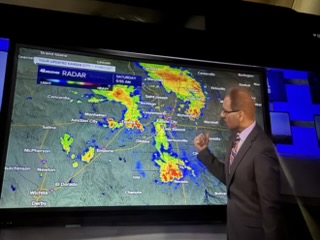
We had good rain last night and early this morning. We were instructed not to leave early — so Keith got everything done except pulling out of the campground, and we were still the first ones out. It looked like rain all day, but we escaped and had a lovely 77-degree afternoon with light winds.
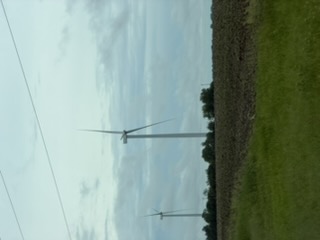
I love a wind power field, and we drove right past one on the way to the Pony Express Campground.
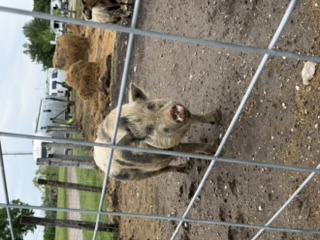
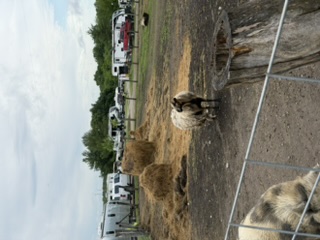
The Campground Menagerie
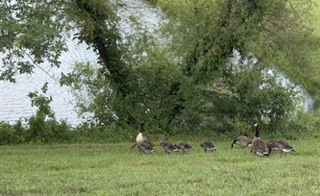
They have a pen with pigs, goats, and — I think that’s a lamb, but it looks like a goat in sheep’s clothing to me. And more geese and goslings.
The Pony Express Museum
Today’s adventures included a trip to the Pony Express Museum in downtown St. Joseph, Missouri.
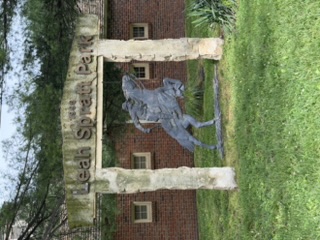
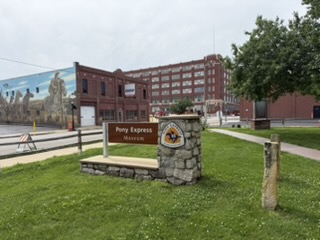
Where do I start?
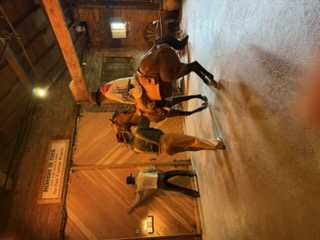
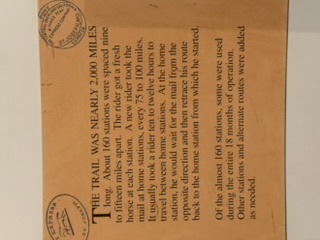
Did you know the Pony Express built about 70 stopover stations in less than 90 days? Riders ranged from 11 to 40 years old. The first rider carried mail from St. Joseph all the way to Sacramento — delivered in ten days. A rider would stop and change horses every 10–15 miles, sleep in a bunk for 8 hours, wake up, and do it all over again.
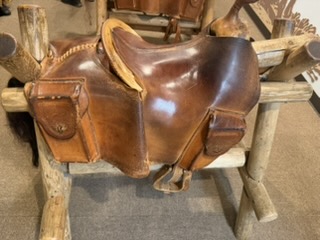
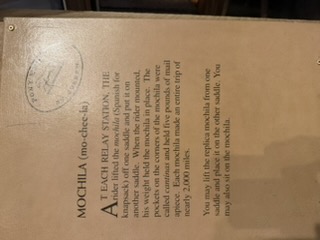
Four pockets were sewn onto the saddle, called a mochila. Only 20 pounds of mail could be carried per trip. The paper had to be very thin. It cost $5 for the first few runs — the letter writer paid one cent and the government paid the rest in those early months.
The Pony Express lasted only eighteen months, as telegraph poles and railroad tracks marched steadily across the country and made it obsolete.
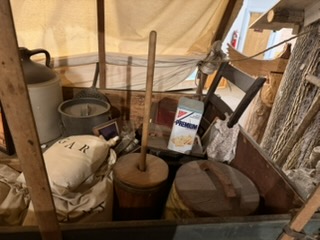
The Pioneer Wagon
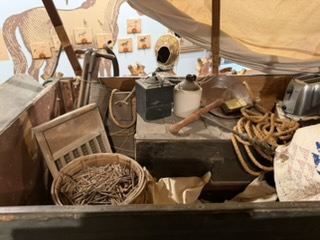
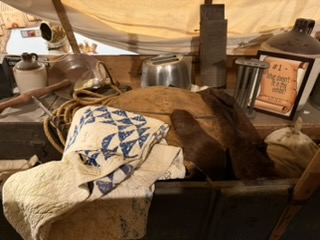
Settlers packed up in what, up close, looked like a smaller wagon than I had imagined.
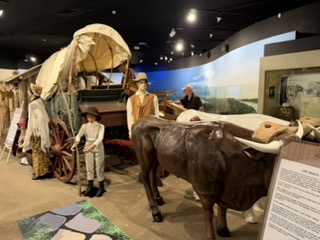
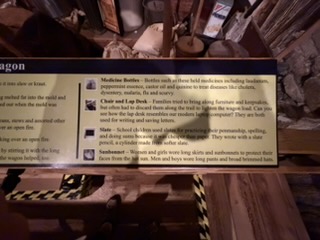
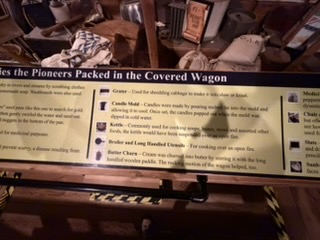
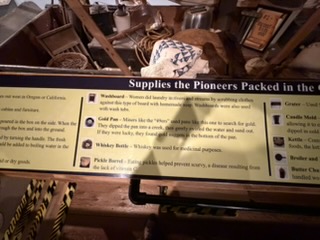
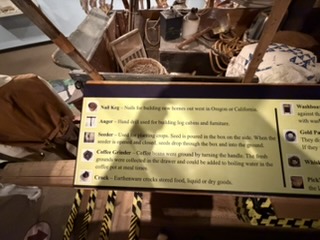
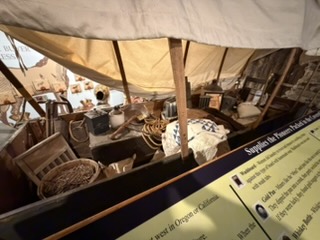
Look closely at the contents of the wagon — they’ve added some things that would not have gone with the pioneers, but we may have some of them in our “wagon.” 😁
The Missouri Riverfront
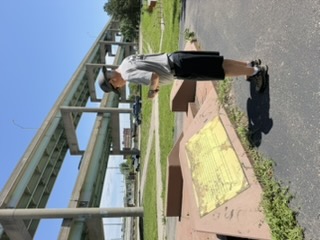
After lunch, Keith, Doug, and I drove to the Missouri Riverfront to see where the ferry crossing carried settlers and Pony Express riders across to the plateau on the other side. Once across, they were no longer in US territory.
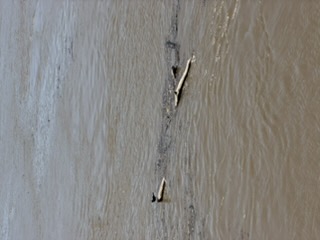
I found a little bird perched on some wood, doing its own kind of ferrying.
Downtown St. Joseph
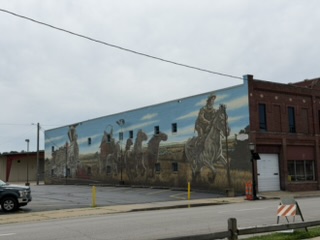
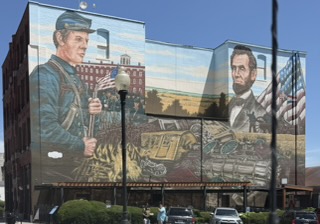
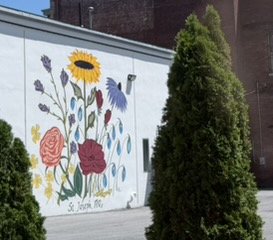
St. Joseph could use an infusion of new businesses, but there were some beautiful murals downtown.
The Stetsons
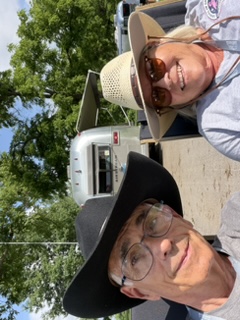
There were a couple of requests for a photo of Keith and Val in their Stetsons. Here you go!
What We Packed vs. What They Packed
I looked up passages in Narcissa’s diary: the pioneers could only go about ten miles per day. They needed time to feed and water the livestock, settle in, make dinner, socialize, and prepare to leave again in the morning.
Let’s compare what we brought with what the pioneers loaded into their prairie schooners.
The Oregon Trail was 2,170 miles and took 4–6 months. Pioneers carried everything themselves — food, tools, supplies — as there was little to no resupply along the way.
(We will not be fording any rivers. We have awnings, but they get rolled up the moment we even think it might rain.)
Same here. The choices we each made about what to bring for three months away from home were no small thing.
“Excitement was plentiful during my two years’ service as a Pony Express rider.”
— Buffalo Bill Cody